Making sense of the struggle.
We walk through how they have been engaging their work, where the process is breaking down, and how their compensation strategies have been blocking them from learning.
I find where learning is breaking down and use AI learning design to overhaul the school experience for struggling complex learners.

I work with bright, capable students who are overloaded, disoriented, and carrying the shame and mental-health toll of years in learning environments that never fit.
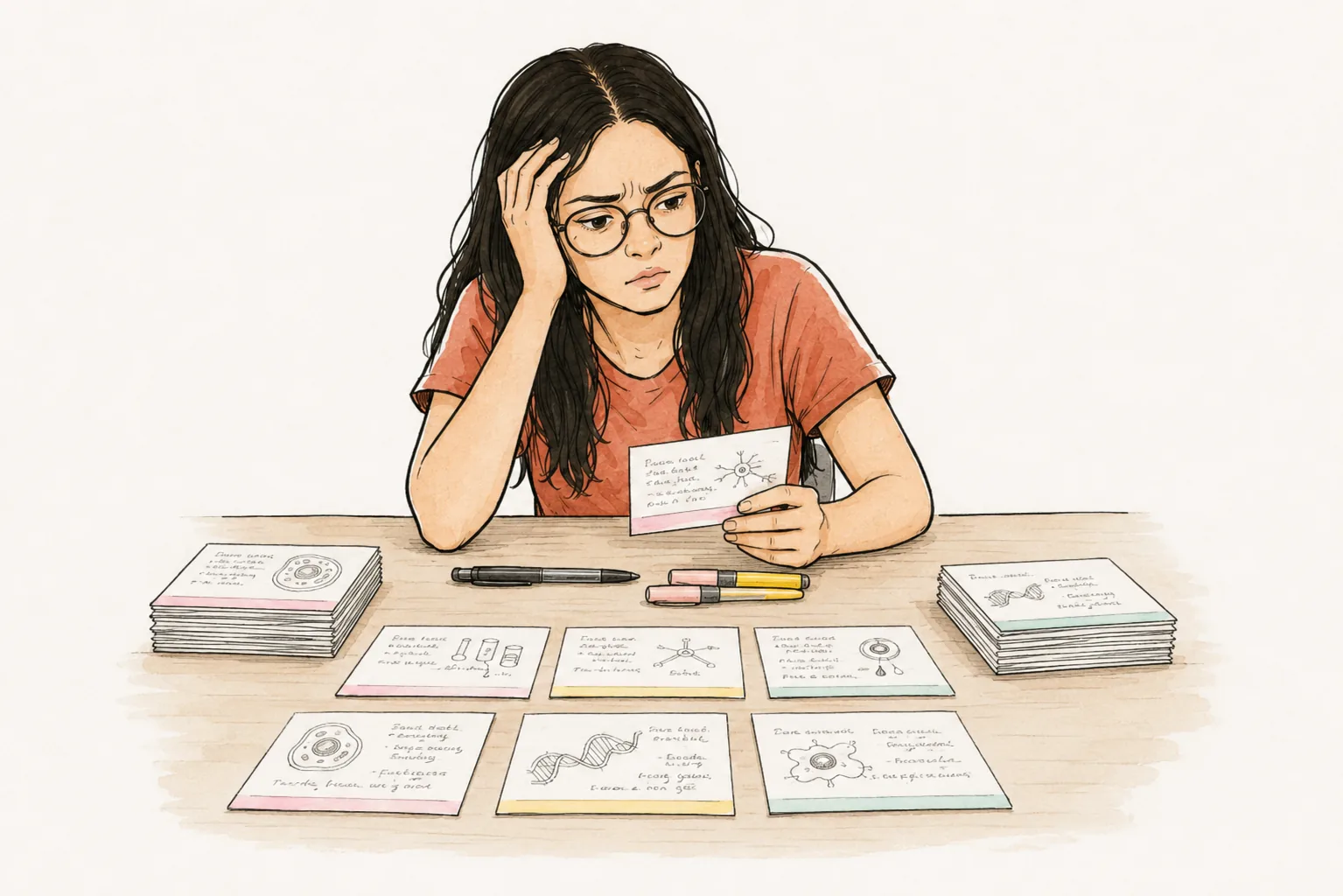
When a student cannot infer the intended meaning from what they have been given, they are left holding disconnected pieces of information, algorithms, and submission requirements without context. Actions taken from this place do not lead to clarity.
When students cannot see the big picture, they treat explaining what the information says as the goal of learning. In higher-level courses, that is only the starting point. They are expected to use the information to interpret, analyze, and support a way of thinking, but they do not recognize that the nature of the task has changed.
Even when students know they are expected to interpret, analyze, or support an argument, they do not know what a successful response is supposed to look like. They add quotations, repeat the same idea, or follow surface-level conventions without understanding what they're trying to accomplish.
When students spend years getting through school by memorizing, guessing, and reorganizing material they cannot make sense of, they become disconnected from the fact that school can and should make sense.
The compensation strategies students rely on are high effort but low yield. They may rehearse, reorganize, and repeat the material, but the information remains disconnected from any larger context. It never forms into a coherent understanding.
As material becomes more complex, students reach the limits of working memory and processing speed more often. They cannot hold the pieces long enough to connect them, so the information is lost before it can solidify into understanding.
The student has to organize the material, sequence the work, determine the next step, monitor whether they are on track, and activate the supports available to them. That demand quickly exceeds capacity, so even helpful strategies become additional moving parts they cannot sustain.
Meaningful engagement makes the material tangible, graspable, and responsive to the student's attempts. Without that, they cannot enter productive struggle, and the conditions for thinking, analysis, and problem-solving remain offline.
I don't tutor subjects. I don't manage schedules.
Complex learners need meaningful material and clarity, without having to build the structure for themselves.
We walk through how they have been engaging their work, where the process is breaking down, and how their compensation strategies have been blocking them from learning.
I identify the precise points where learning is failing, and provide the specific scaffolding requirements for the student to have access to a different experience, establishing a new baseline for learning.
I use AI to stabilize the student's learning experience, translating material into immersive, engaging experiences while bypassing processing roadblocks and offloading the executive function and orchestration burdens they cannot manage.
I make sure the system reliably resolves the student's learning access challenges and that they are directing their activities toward making sure they are learning. This is critical because if there is any friction, students will fall back on old habits.
AI translates dry course material and disconnected facts into the context and intention of the material that they are otherwise left on their own to infer. In making the material genuinely engaging, it activates immediate familiarity, effectively eliminating cognitive overload through active real-time sensemaking, so material can be stored and retrieved from a neural network of real understanding.
The way the material is taught is shaped to how the particular student learns. A student with slow processing speed and low frustration tolerance cannot be put through a question-and-answer approach that asks for what they can't yet produce; a student stronger at recognition than recall needs to see options and choose rather than generate from nothing. The interaction is built around what activates meaningful engagement and productive struggle.
The executive function it takes to manage the material and coordinate their learning often exceeds the student's capacity, forcing them into what they can control, which often doesn't lead to learning. I use AI to externalize that orchestration load through immersive environments and clearly defined problem spaces, where every action the student takes is apparent and tangible. With the burden removed, they can put their effort into making sense of the material, testing their understanding, and consolidating it as they go.
Complex learners often struggle to consolidate their understanding, because the volume of information, with no opportunity for ongoing clarification, doesn't let partial understanding settle before it's lost. I use AI to support dynamic interaction with immediate feedback, so understanding can finally form in real time.
Every intervention, scaffold, and structure I provide must answer one question: how is this changing the nervous system state of the student?
Students with processing and working memory challenges are expected to infer meaning from material they cannot connect to. When a student has access points, when material feels meaningful and genuinely engaging, the entire learning possibility changes.
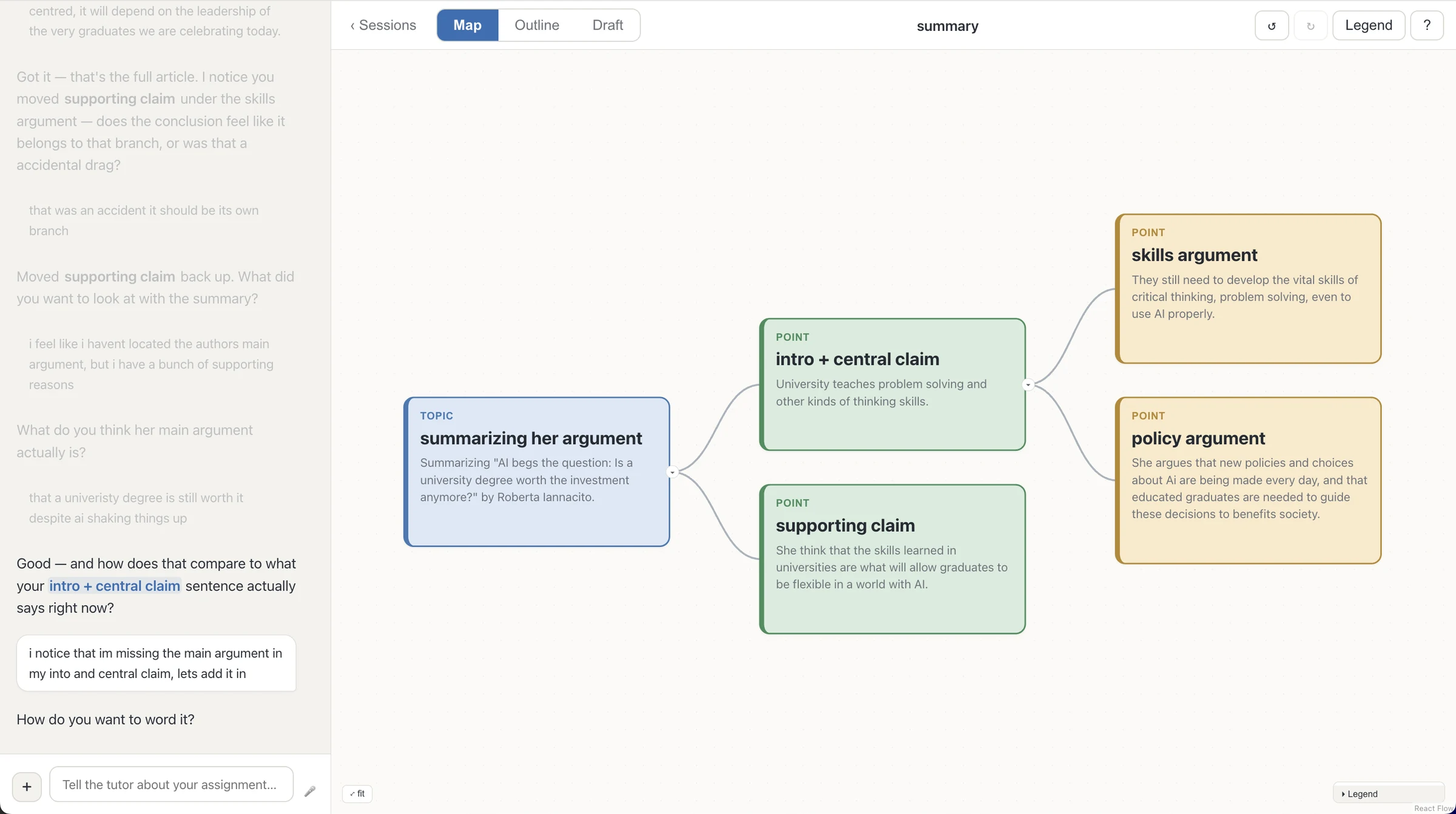
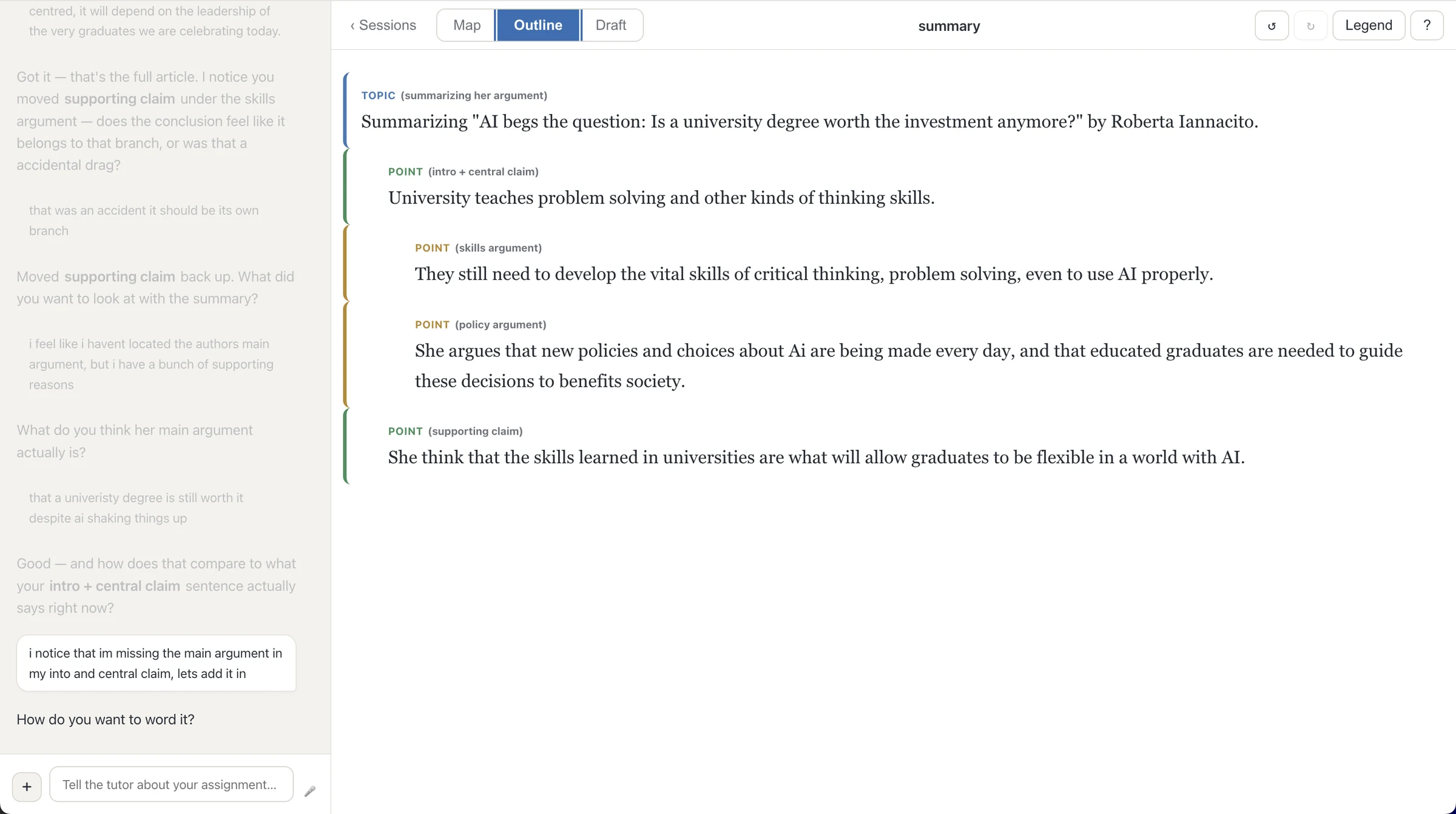
Complex learners are bright, but the demands of organizing and sequencing their thoughts often block them from demonstrating their actual thinking. This tool is a cognitive scaffold that works through conversation to help a student stay connected to their thoughts as they develop their ideas, organizing them visually on a mind map which converts into an outline for their writing.
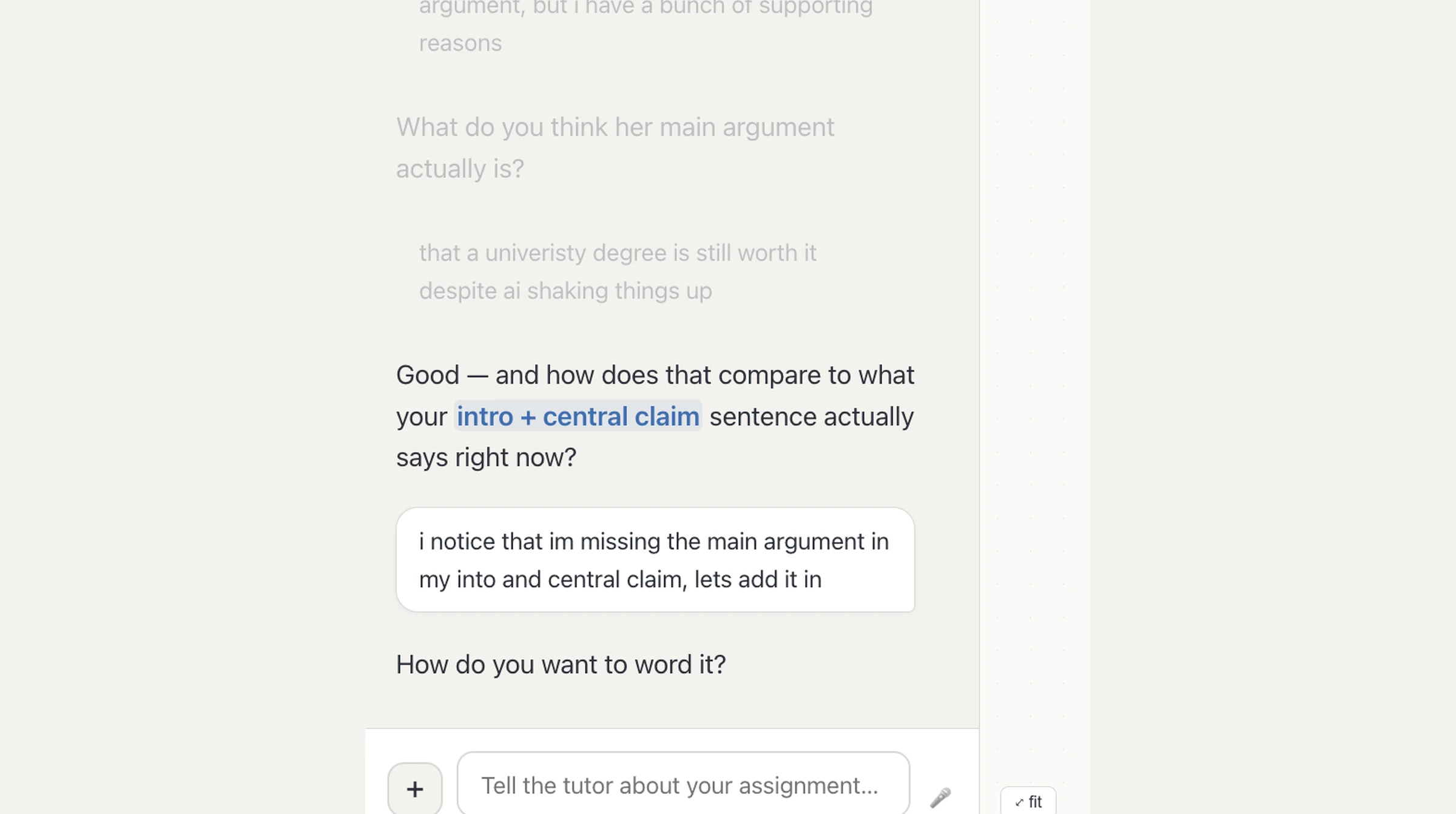
The tool does not write for the student. Instead, it acts as a metacognitive prosthesis configured with their writing and thinking patterns (eg. circular reasoning, losing their train of thought) from past work. The tool surfaces awareness of these patterns when they occur so the student can remain intentional as they develop their thinking.

I'm an educational specialist with 17 years of experience working with complex learners as a classroom teacher, executive function coach, and learning strategist. I hold a Master's degree in Education with a focus on learning design.
My philosophy is simple: students should not have to keep failing inside systems that ask them to compensate for barriers that can be designed around.
If a student fits what you have read here, you can pass this page along to the family, introduce me by email, or use the form to start the conversation.
If you would like to discuss the fit before referring anyone, I am happy to talk it through.
I'll get back to you within 24 hours.